Not the great wartime film thriller starring Steve McQueen, but the day when the Spanish "break up" for Christmas and head off somewhere for the whole Yuletide season.
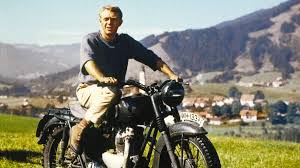
"The Great Escape" [Netflix]
 Today is the day when the Christmas holidays begin for many Spaniards. Many workers will finish work early, rush home, pick up the family and the luggage and head off to the coast, the mountains, the airport to start what could be nearly three weeks holiday.
Traffic jams start later today [La Vanguardia]
The DGT predicts 22.5 million traffic movements during this holiday period.
Strictly speaking schools break up on Monday, 22nd December, the same day as the winning lottery tickets in "El Gordo" are drawn, but in reality, this year, today is the last day of term.
What implications does this have for normal life?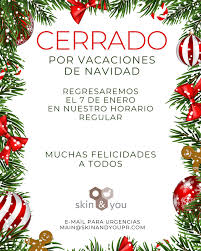
Well, if you have bureaucratic matters to deal with, you can forget them until the New Year.
Lots of offices and companies will also shut down.
Productivity will plummet, although spending in shops and online should rocket.
[Instagram]
Spaniards who are have fulltime jobs will have money to spend. Many receive 14 monthly payments in a year - they get two months salary in August for their summer holidays, and two in December to pay for presents, meals out, trips, etc, over the Christmas/New Year/Epiphany period.
So, what's on?
22nd December - "El Gordo"
24th December - Noche Buena (Christmas Eve)
25th December - Dia de Navidad (Christmas Day)
26th December - normal working day in Spain
 28th December - Dia de Los Inocentes - recalls Herod's murdering of all new-born male babies in an attempt to kill the Messiah, Jesus Christ.
Curiously this day is a day for tricks and messing about - a bit like April Fool's Day in the UK and the USA.
[Vivir Experiencias]
 31st December - Noche Vieja (New Year's Eve).
The tradition of eating twelve grapes while the clock chimes midnight, making secret wishes for the following year.
This is followed by fireworks and sometimes bonfires.
People stay up late on this day.
1st January - Año Nuevo (New Year's Day)
[Spain.info]
6th January - Dia de Reyes (Epiphany)
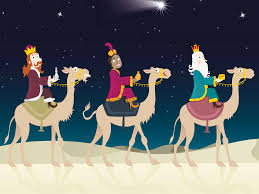 Commemorates the Three Wise Men bearing gifts coming to visit Baby Jesus.
This is the day when Spanish children receive their main, and most expensive, presents.
[Instagram]
7th January - Schools re-open and adults go back to work.
***
In many villages, towns and cities there are other activities also: Christmas markets, pantomimes, children's activities, adult theatre, musical events, art exhibitions, food stalls and parades.
***
Final comment
The Spanish love their fiestas and this is one of the biggest, along with Easter. The difference in attitude to life between the British and the Spanish can be summed up by the saying:
"El ingles vive para trabajar, mientras el español trabaja para vivir." ("The English live in order to work; the Spanish work in order to live.")
© Paul Whitelock
Images:
Instagram, La Vanguardia, Netflix, Spain.info, Vivir Experiencias, YouTube
Thanks:
Paul Whitelock, Wikipedia,
Tags:
Año Nuevo, April Fool's Day, Christmas Day, Christmas Eve, Dia de Los Inocentes, Dia de Navidad, Dia de Reyes, DGT, "El Gordo", Epiphany, Herod, Instagram, Jesus Christ, La Vanguardia, Messiah, Netflix, New Year's Day, New Year's Eve, Noche Buena, Noche Vieja, Paul Whitelock, Spain.info, Steve McQueen, "The Great Escape", Three Wise Men, twelve grapes, Vivir Experiencias, Wikipedia, YouTube