We know that many Britons visit Spain every year; but perhaps not many people realize that there is a corner of Spain that is part of British history. That place is called Menorca. Its name comes from the Latin *Minorica*, as the Romans called it because it was smaller than the island of Mallorca (*Maiorica*).
Menorca is a Spanish island located in the northeastern part of the Balearic archipelago, in the Mediterranean Sea. The city of Mahón, on the east coast, is home to the headquarters of the Menorca Island Council—the administrative body that serves as the island’s government—while the most populous municipality is Ciudadela, to the west.
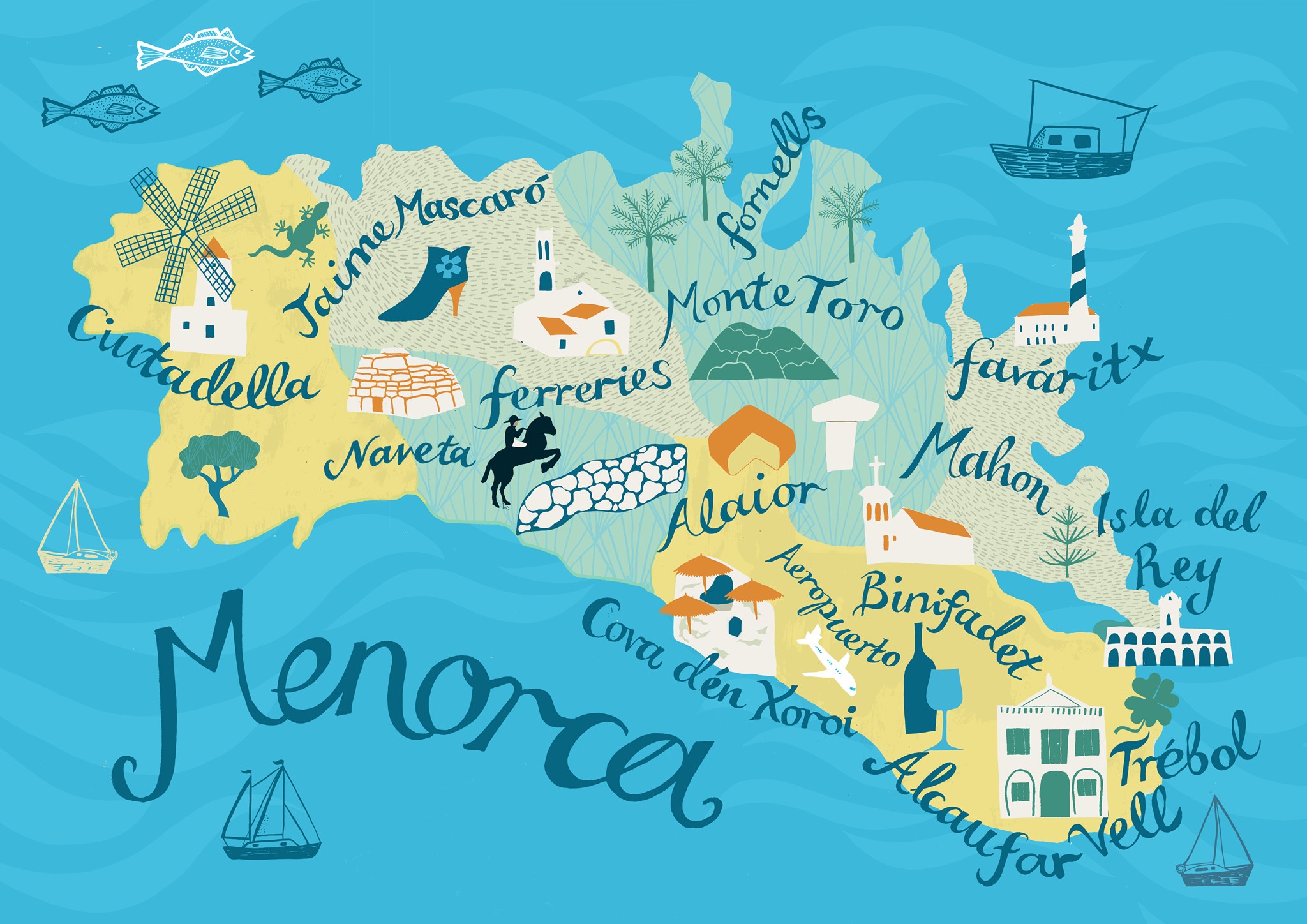
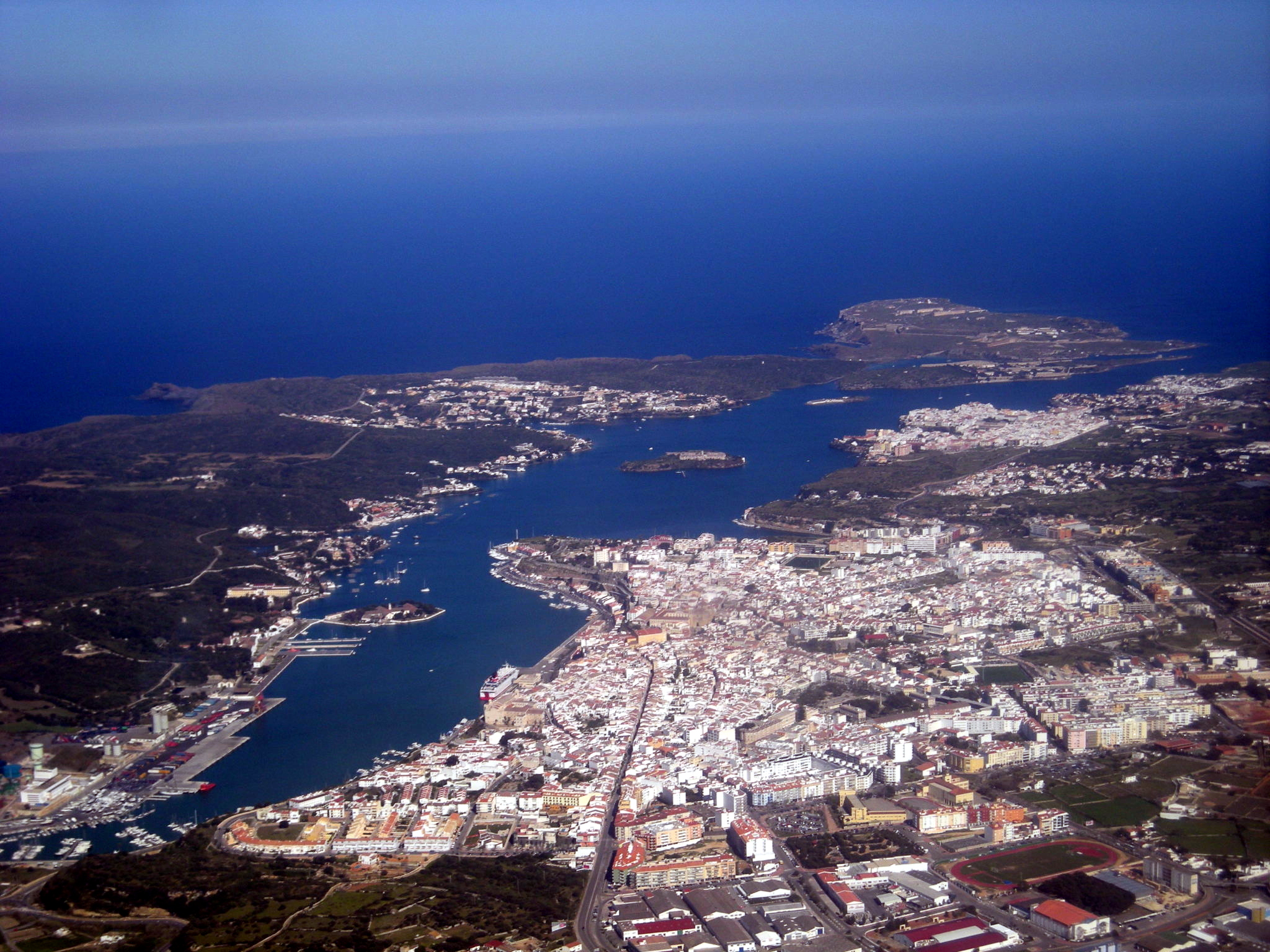
Mahón
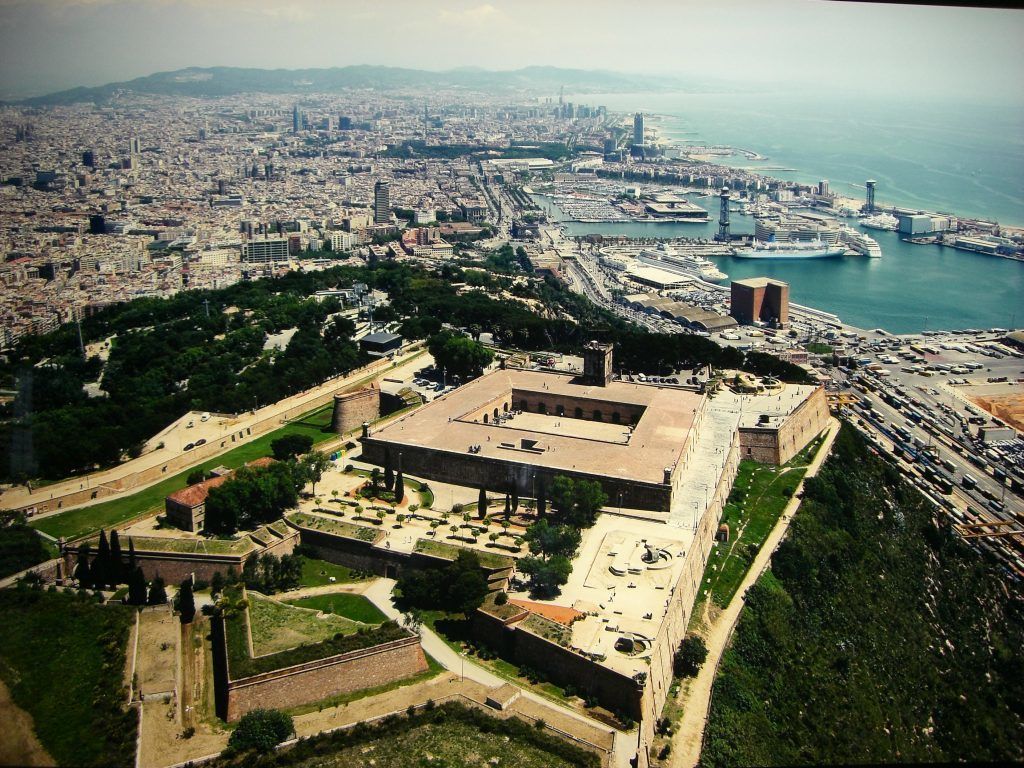
Ciudadela
Menorca is the second-largest of the Balearic Islands and the seventh-largest in the country. In 2019, it had a population of 96,620, making it the third most populous in the autonomous community, after Mallorca and Ibiza, and the seventh in all of Spain. It is worth noting that in the summer, the population exceeds 200,000 due to tourism.
It was designated a Biosphere Reserve in 1993 by UNESCO.
Menorca is Spain’s easternmost territory and the first place in Spain where the sun rises and sets.
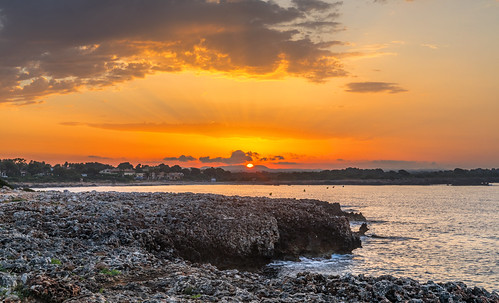
The island of Menorca and the islets surrounding it offer a microcosm of the western Mediterranean, where most of the region’s characteristic ecosystems can be found, with the exception of riverine and mountain ecosystems. At the same time, however, Menorca is home to numerous endemic or Tyrrhenian species, that is, species exclusive to this island or shared only with nearby lands such as Mallorca, Corsica, and Sardinia. This blend of commonalities and unique features makes the natural heritage of this territory particularly attractive, a heritage that has also been heavily shaped by human activity for the past 4,000 years.
Since the earliest civilizations on the island, numerous peoples have taken turns occupying its territory.
An initial phase of primitive civilization, believed to have originated on the Iberian Peninsula, was followed by a highly advanced Bronze Age period known as the Talayotic culture, characterized by megalithic structures similar to those found in Mallorca, Sardinia, or Malta, though featuring some unique elements such as the taulas.
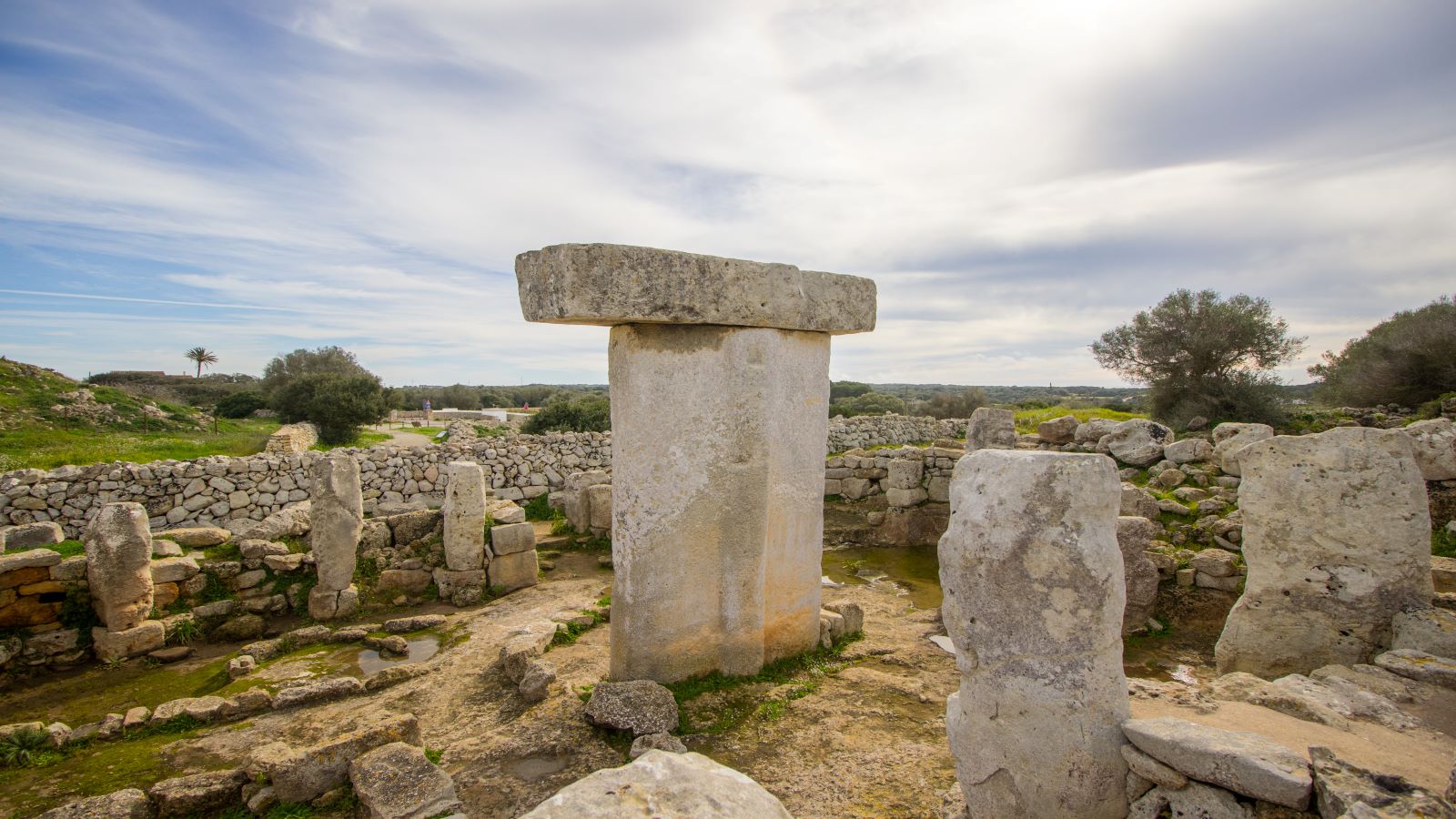
A Taula
The peaceful visits by the Phoenicians —who called it Nura (Land of Fire)—and the Phocaeans—who called it Meloussa (place of cattle)— to establish trade ties were followed by those of the Carthaginians, who arrived with a very different attitude. They landed under the command of Mago, Hannibal’s brother, and forcibly recruited the skilled Balearic slingers, who played a prominent role during the Punic Wars. In the 3rd century B.C., the Carthaginians founded the settlements of Jamma (now Ciudadela) and Magon (Mahón). Talayotic culture would endure in Menorca even after Quintus Caecilius Metellus (who would later be nicknamed Balearicus) conquered the island for the Roman Republic in 123 BC (along with the rest of the Balearic Islands).
In 427, the island was conquered by the Vandals. It is presumed that Menorca became Byzantine territory following the fall of the Vandal kingdom, conquered by Belisarius. In any case, centuries of darkness and isolation followed, during which the island was attacked by Normans and Arabs.
Muslims settled permanently in Menorca around the year 903, when the island was conquered and incorporated into the Caliphate of Córdoba. The Islamization of the island was extensive, as Menorca, known as Al-manurqa, remained under Arab rule for nearly four hundred years (the 10th, 11th, 12th, and 13th centuries). In 1232, three years after the conquest of Mallorca by James I the Conqueror, Muslim Menorca became a tributary of the Crown of Aragon, retaining significant autonomy for another half-century. It was not until 1287 that Menorca officially ceased to be Islamic.
The island of Menorca, a vassal state of James I of Aragon since 1231, was conquered by Alfonso III in early 1287. Following the occupation and in accordance with the terms of the surrender, only a small number of Muslims, including the governor, were allowed to leave the island freely. The rest had to pay their own ransom or be reduced to slavery. Very few Muslims, whether slaves or free, remained on the island. The terms under which the repopulation took place are scarcely known, since, unlike what occurred with the conquests of Valencia and Mallorca, no distribution register was kept. The donations or grants to settlers made in the name of Alfonso III, of which few have survived, were granted to both knights and farmers, who were required to pay rent to the king, as well as artisans. Missing from the record are the common laborers, among whom might have been the small number of Muslims exempted from the obligation to pay their own ransom. In the surviving grants, the settler’s origin is rarely mentioned. When the information is recorded for one reason or another—with the exception of the Aragonese Pedro Sánchez de Biota, a farmer—it concerns settlers who had recently settled in Mallorca and were selling their properties there to move to Menorca; and, with the exception of one knight and one lawyer, they were of low social standing, artisans, or farmers.
His successor, James II the Just, ceded it to James II of Majorca in 1298, pursuant to the Treaty of Anagni (1295), and it once again became part of the Kingdom of Majorca. In 1343, Peter the Ceremonious seized Menorca from the King of Majorca, James III (a step leading up to the kingdom’s eventual dissolution, as it was annexed to the Crown of Aragon).
Menorca, as part of the Crown of Aragon, benefited from the maritime and commercial prosperity of that crown; however, beginning in the late 14th century, the island underwent a drastic process of depopulation and economic decline. This process reached alarming levels in the 15th and 16th centuries due to a variety of reasons, primarily the social struggles between the peasantry and the aristocracy, similar to and contemporaneous with the Germanías uprisings in the Kingdom of Valencia and Mallorca or the Catalan revolt against John II. Also influential were the Ottoman attacks on Mahón in 1535, led by the Ottoman admiral Hayreddin Barbarossa (Lesbos, 1475 – Istanbul, 1546), who served under the Ottoman Sultan Suleiman I. Twenty-three years later, the Ottoman fleet carried out the raid on Menorca in 1558, devastating Ciudadela and capturing thousands of Menorcans, subjecting them to slavery in Ottoman lands.
Invaded by the British in 1708 during the War of the Spanish Succession and officially recognized as a territory under British sovereignty following the Treaty of Utrecht (1713), it remained a British dependency for more than seventy years (and the port of Mahón served as a British naval base in the Mediterranean) in the 18th century. The British presence, particularly during Richard Kane’s tenure, boosted the island’s economy by establishing a more mercantilist and liberal model, and the city of Mahón became a leading commercial and smuggling hub in the Mediterranean, in addition to displacing Ciudadela from the status of capital it had held until then—a fact that continues to fuel a rivalry between the two cities well into the 21st century. British influence can be seen in the local architecture, in the people, and in the surnames of some families, such as Victory, which are common on the island and in Great Britain. Anglo-Saxon influence is also evident in the language and the countryside, which changed radically after the British arrived on the island.
During the Seven Years' War, Menorca was captured by France (1756). However, under the Treaty of Paris (1763), Great Britain gained control of the island. During the American War of Independence, which also involved France and Spain, Franco-Spanish forces defeated the British and recaptured the island on January 5, 1782. As an expression of joy, Charles III ordered the viceroys, captains-general, governors, and military commanders to assemble the garrisons on the Feast of the Epiphany and, on his behalf, convey his congratulations to the chiefs and officers of the armies during the so-called Military Easter. It was invaded again by the British in 1798, during the wars against revolutionary France. It was ceded to Spain, definitively and permanently, under the Treaty of Amiens in 1802. Mahón’s maritime power continued into the early years of the 19th century, even after it reverted to Spanish rule.
As for the cuisine, the following dishes stand out: Mahón-Menorca D.O. cheese, sobrasada, carnixua, camot or cuixot, oliaigua, lobster stew, coca bamba, pastissets, formatjades, carquiñols, amargos, crespells, ensaimadas, rice with spider crab legs, and pomada.
Once you visit Menorca, you’ll want to come back. It’s no surprise that it was voted Spain’s best beach destination in 2024. They get caught in its web of beauty. That’s the problem with beaches: they’re addictive. It happens in the Caribbean, on the Greek islands, along the Thai coast, and the same goes for this little gem of the Balearic Islands. The sand is so fine that it slips through your toes with every step, it’s the very essence of purity. The sun beats down, but never too harshly. The wind carves out impossible coves, some rocky, others surrounded by wetlands, cliffs, dunes, or slopes.
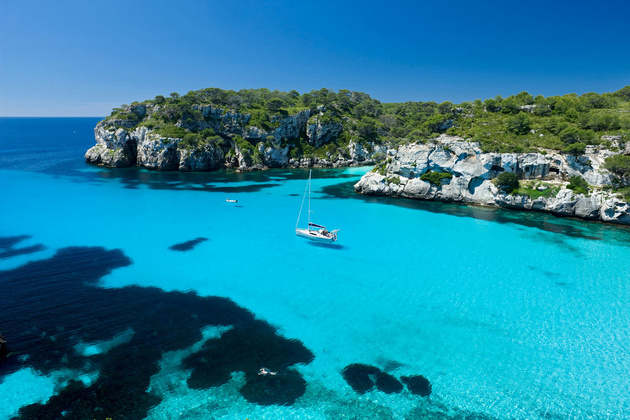
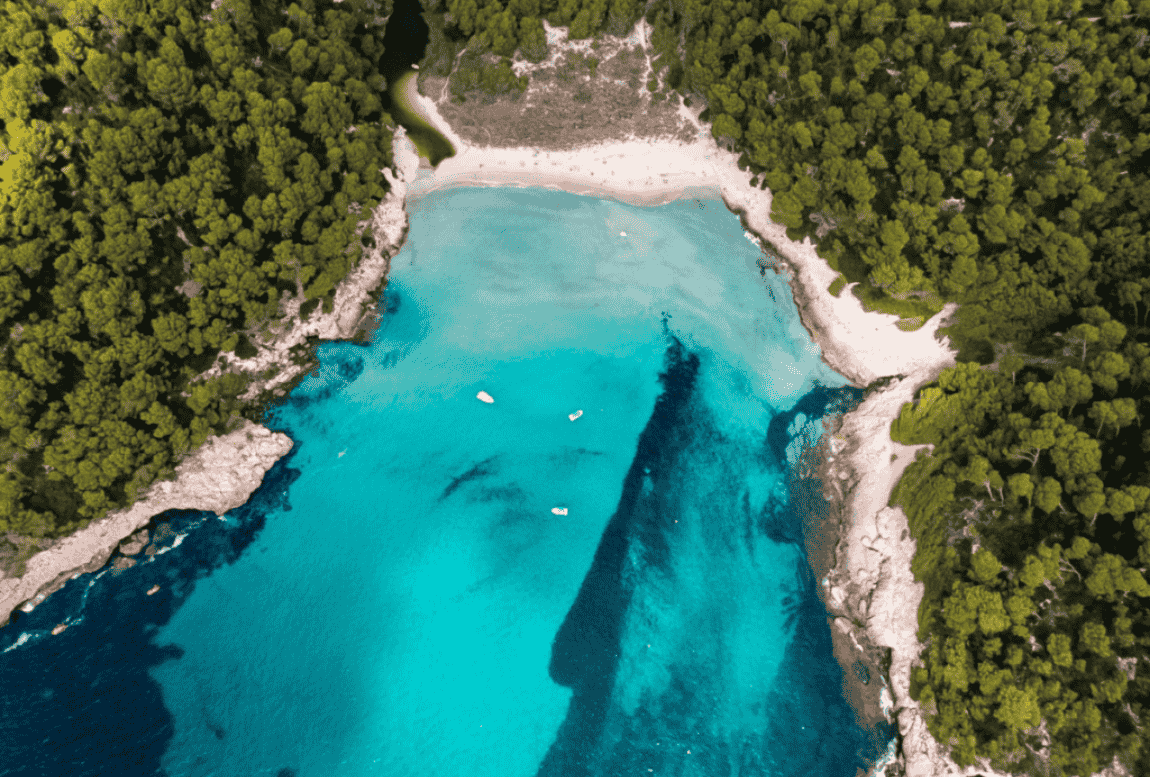
.jpg)
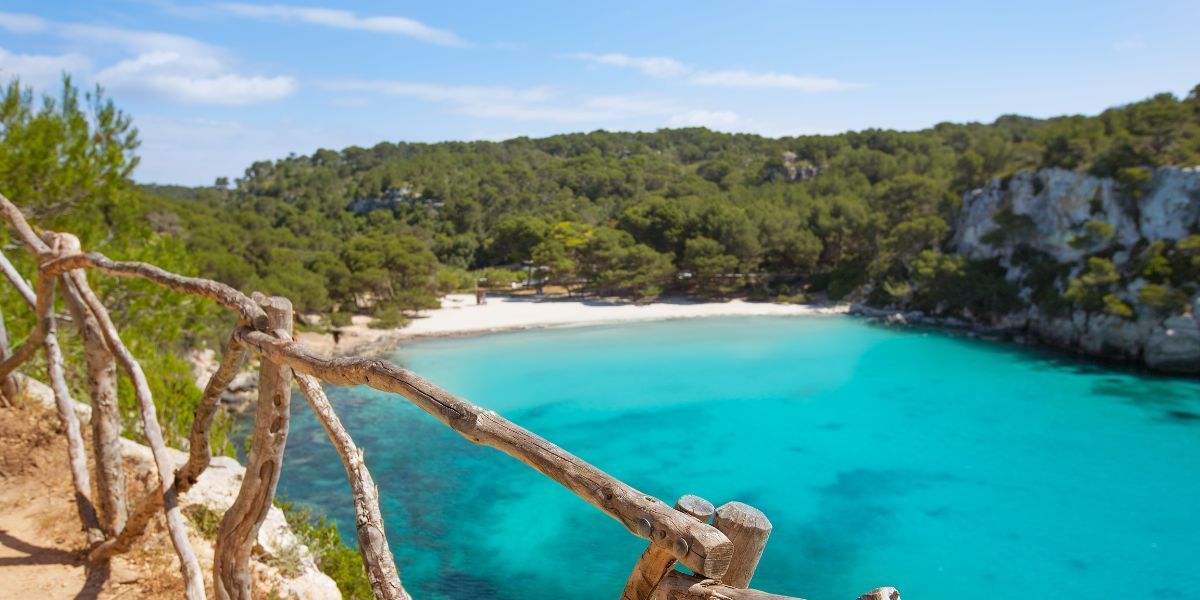
Another beautiful spot in Menorca
You may have noticed that there is vegetation next to the beaches.
In Menorca, there are no native deciduous trees, and today there is a decline in several domestic species such as the carob tree, the almond tree, fig trees, and the olive tree. The most common tree on the island is the “ullastrar.” Traditionally, wood was obtained from wild olive and holm oak trees, which are perfectly adapted to the climate, as well as from certain pine varieties, such as the abundant Aleppo pine, which is gaining ground in the forests of the island’s central and northern regions. Near the beaches, we find junipers and numerous coves surrounded by pines.
At a lower vegetation level, we find broom, gorse, strawberry trees, heather, myrtle, broom, juniper, oleanders, brambles, and less abundant liliaceae such as wild asparagus, araceae, and some orchids. In dune areas there are lilies; in deforested areas we find steppe in its white and black varieties, and reeds in the wetlands. Lichens cover the rocky terrain, and along the wind-swept coastline there are communities of thorny shrubs locally known as socarrell.
Well, as you've seen, Menorca is a wonderful place, but I hope you'll be able to see that for yourself. There are flights—some of them inexpensive, from the UK to Menorca.
For example: on June 1, from London, for 32 euros. On Sunday, June 7, for 18 euros. On Monday, June 22, for 17 euros. On Monday, June 29, for 17 euros. These are direct flights.
Welcome to Spanish paradise!!!!!