Settling into a new property in Spain means adjusting to a beautifully different rhythm of life. However, for many newly arrived buyers, renters, and tourists, their first Spanish weekend brings a sudden and quiet realisation: the bustling streets have emptied, the shutters are down, and the local shops are firmly locked.
If you have ever found yourself staring at a dark supermarket entrance on a Sunday afternoon, wondering how you are going to stock the fridge for the week, you are not alone. Here is your guide to navigating Spain’s Sunday closures, understanding the local laws, and making the most of your weekends.
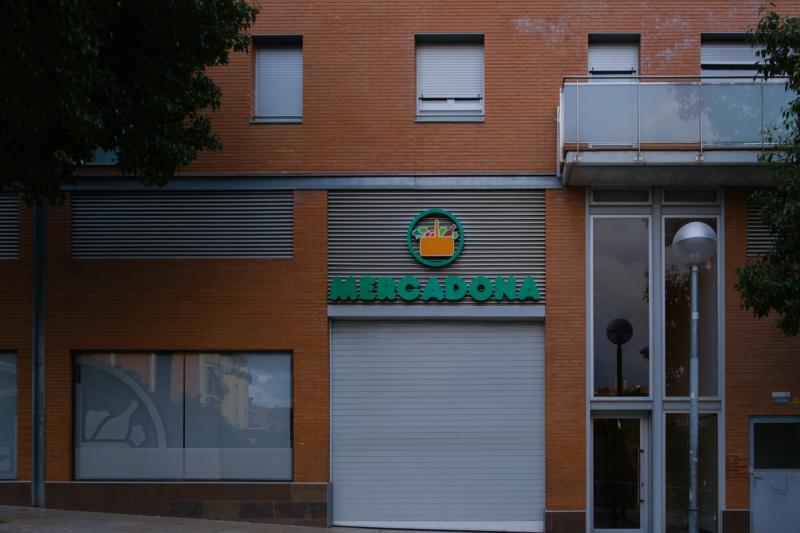 Spain’s Sunday trading laws are strictly regulated,but they operate on a complex mix of national frameworks and regional autonomy. Photo: Unsplash
Why is everything closed on a Sunday in Spain?
The Sunday shutdown is deeply woven into the cultural and social fabric of Spain. Traditionally rooted in Catholic observance, the day of rest has evolved into a fiercely protected societal norm focused on family, leisure, and work-life balance.
Rather than viewing Sunday as a day for running errands, Spanish culture treats it as a designated pause. Furthermore, the closure is structurally designed to protect small, independent business owners. By preventing massive retail conglomerates from operating seven days a week, local family-run shops aren't forced into an unsustainable rat race of extended working hours just to stay competitive. For expats, Sundays become a day to be enjoyed with friends and loved one's, an opportunity to discover the real Spain.
What are the Sunday trading laws in Spain?
Spain’s Sunday trading laws are strictly regulated, though they operate on a complex mix of national frameworks and regional autonomy.
As a general baseline, the national law on opening hours mandates that large retail outlets and shopping centres remain closed on Sundays and public holidays. However, the exact number of permitted Sunday openings (usually between 10 and 16 days a year, typically around the Christmas period and sales seasons) is determined by regional governments.
There are two major exceptions to this rule:
- Size matters: Small commercial premises (typically under 300 square meters) have full freedom in their opening hours.
- Tourist Zones (ZGAT): Areas designated as "Zones of Great Tourist Influx" are granted special exemptions. Cities like Madrid have highly liberalised trading laws, while coastal hotspots like Marbella, Denia, and the wider Costa del Sol permit large stores to open on Sundays during the peak summer months and Easter holidays.
Are supermarkets closed on Sundays in Spain?
For the most part, yes. If you are planning to do your weekly grocery shop at a large chain, Sunday is not the day to do it.
However, there is nuance depending on the season and the size of the store:
- The giants (Mercadona, Carrefour, Lidl): These will generally be closed on Sundays from autumn through spring. During summer months (late June to September), chains like Mercadona adapt to the tourist influx by opening in designated coastal towns, usually on a reduced schedule from 9:00 AM to 3:00 PM.
- Convenience stores: Smaller express supermarkets (such as Carrefour Express, Supercor, or independent alimentación shops) fall under the 300-square-meter rule and are legally permitted to remain open all day on Sundays.
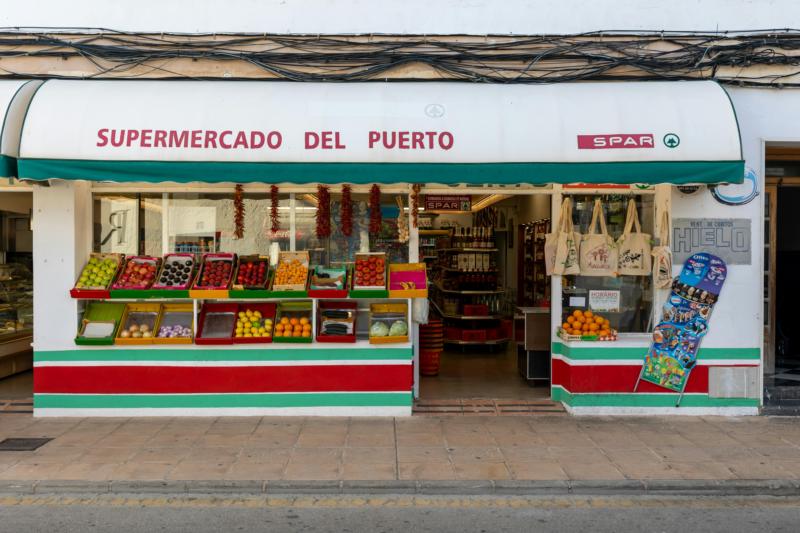 Smaller convenience stores fall under the 300-square-meter rule and are legally permitted to remain open. Photo: Pexels
Are things open in Spain on Sunday?
While retail takes a backseat, hospitality and culture step into the spotlight. You will never be left completely stranded on a Sunday. Here is a quick breakdown of what to expect: