Last week Spain suffered its second serious rail accident of the year, this time with 69 dead. The earlier incident on the high-speed line between Madrid and Seville occurred back in January where 46 people lost their lives.
When you are doing anything up to 200kph on a line where swerving is not an option, coming to a dead stop brings on a whole new and tragic meaning.
Pedro Sánchez lamented that ‘We can’t allow this to happen in a country like ours’. 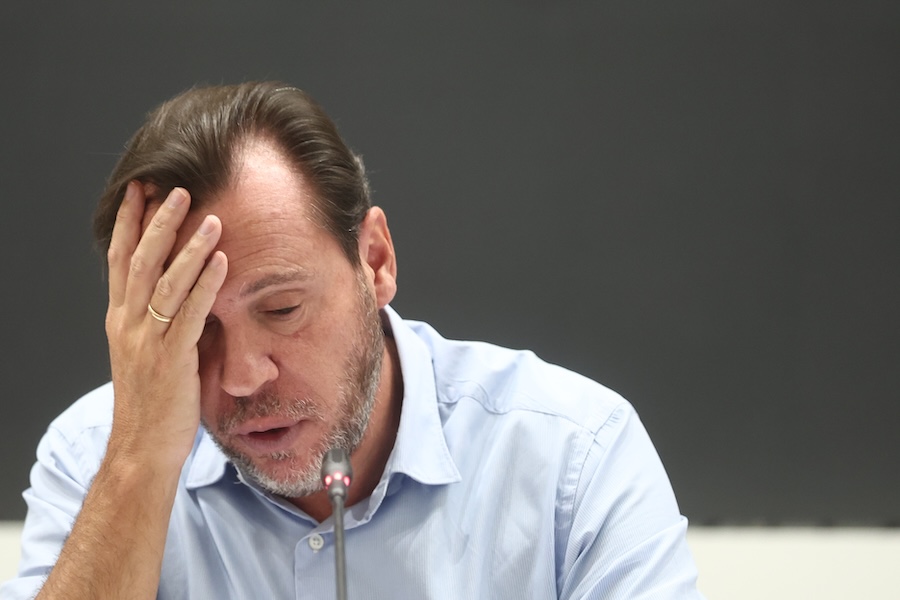
The excuse from the Minister of Transport Óscar Puente after the January accident in Adamúz: ‘The chances of this happening again are remote, almost impossible’.
This time, they talk of human failure but once can’t blame one single employee when a whole system has failed – especially since the unions and train-personnel have been complaining for years about the antiquated control system. High-speed trains run on a network of special rail track owned and managed by ADIF, and the one carrier on the high-speed rail system is now three, with Renfe now joined by Ouigo España, owned by the French national rail company (SNCF), operating as a popular low-cost high-speed option, and Iryo – a private consortium backed by Italy's Trenitalia (Ferrovie dello Stato), Air Nostrum, and Globalvia.
Has trust been broken by this second accident? Would you take the AVE to Madrid right now – or rather use the regular train which takes four times longer? The Guardian makes this point: ‘Spain’s prime minister, Pedro Sánchez, has admitted “trust in high-speed rail has been broken” after Wednesday’s train collision that killed at least 69 people, injured more than 100 and prompted a national debate on the safety of the country’s rail network’.
Sitting with your back to the engine may be a small safety-recommendation, but it is clear that no one will currently be able to relax fully on the fast journey from one city to another.
Regardless of the excuses, we are in an election month and the public needs to be satisfied quickly. Puente has already offered to resign, and Pedro Sánchez said no – that he maintained his confidence in his transport minister. The Partido Popular, after the three days of official mourning, have been campaigning on the events, while Vox didn’t even bother to observe the time-out after the accident, noting that Santiago Abascal maintained that the rest of the parties "wanted to use mourning to silence" the criticism about the state of the infrastructure and assured that Vox would not join that strategy, a procedure he also adopted after the Adamúz accident.
A conservative friend writes in Diario de Almería: ‘Criminal liability is a matter for the courts. Political accountability is of a different nature and follows a different timeline. One need not wait for a court ruling to demand explanations, parliamentary appearances, or decisions regarding the continued tenure of those who lead an essential public service. A minister’s resignation does not equate to an admission of guilt; rather, it can be a way of accepting the institutional consequences of an extraordinary crisis’.
On Tuesday, the Minister of Transport Óscar Puente gave his report, recommendations and decisions to the standing committee regarding Spanish rail. Following his report, he resigned both his post as acting-minister and also from further activity in party politics.
The famous Atocha train-bombing in March 2004 put an end to the Aznar regime. Could the same be true for the candidature of Pedro Sánchez 22 years later?