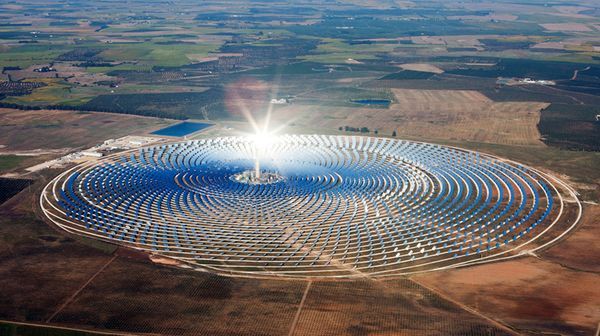
DAVOS, SWITZERLAND — Elon Musk has ignited a fresh debate over Europe’s renewable energy future by proposing that the sparsely populated regions of rural Spain could serve as a massive solar generator for the entire continent.
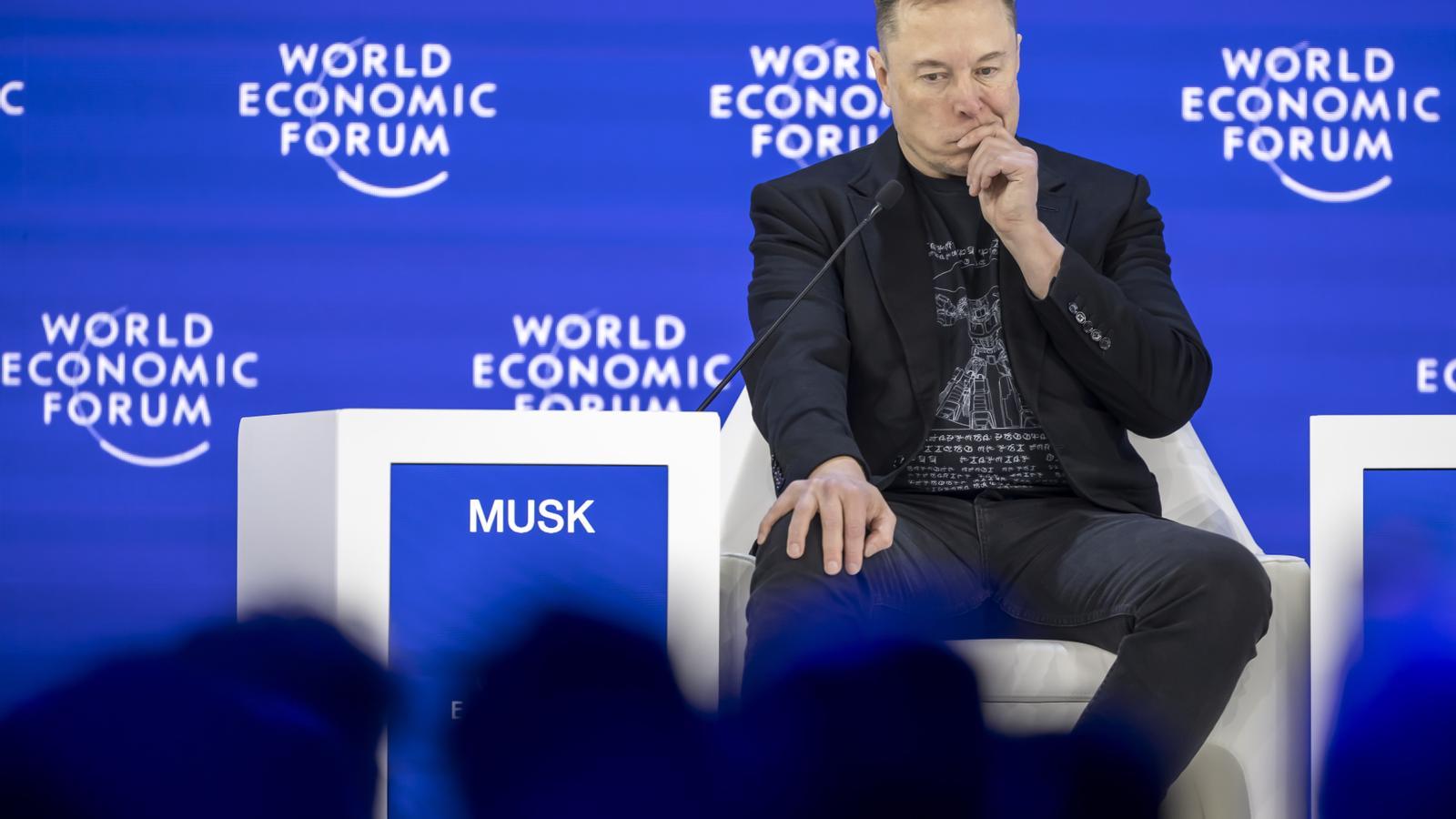
Speaking at the World Economic Forum in Davos, the Tesla and SpaceX CEO suggested that "España vaciada" (Empty Spain)—areas known for their low population density and abundant sunshine—is ideally situated to host the scale of solar infrastructure needed to power Europe.
The Proposal
During a wide-ranging discussion on energy and technology with BlackRock CEO Larry Fink, Musk argued that the physical land and solar resources are already available. He specifically highlighted rural Spain, along with parts of Sicily, as prime candidates for utility-scale solar farms.
"Relatively sparsely populated areas... could generate all the electricity Europe needs," Musk stated. He emphasized that the barrier to this vision is not technological but rather a matter of investment and political will. To bolster his argument, he pointed to China, which is already operating solar farms capable of producing hundreds of gigawatts annually, proving that infrastructure of this magnitude is feasible.
Beyond Energy: Robots and AI
Musk’s appearance at Davos was not limited to energy policy. He used the platform to make bold predictions about the near future of technology:
-
Robotics: He predicted that robots would eventually outnumber humans, with Tesla’s own humanoid robot, "Optimus," potentially ready for consumers by 2027.
-
Artificial Intelligence: Musk forecasted that AI could reach human-level intelligence as early as late 2026 or 2027, with "super-intelligent" AI surpassing collective human reasoning by the early 2030s.
Challenges and Reactions
While Musk’s comments highlight the strategic advantage of Southern Europe's geography, the concept faces significant practical hurdles. Transforming vast tracts of rural land into a continental power hub would require:
-
Massive upgrades to the European electrical grid to transport power north.
-
Complex international regulatory agreements.
-
Strict environmental impact assessments to protect local biodiversity.
As of now, neither the Spanish government nor European Union institutions have adopted this specific vision as official policy. Experts acknowledge that while Spain is rapidly expanding its renewable capacity, dedicating its rural interior to powering the rest of Europe remains a hypothetical scenario rather than a planned reality.
Nevertheless, Musk’s proposal has successfully thrust the potential of "Empty Spain" back into the spotlight, challenging European leaders to think bigger about how they utilize their geography in the transition away from fossil fuels.