Food in Spain is never just about fuel; it is a map of geography, climate, and centuries of inherited human patience. When walking into a local indoor market or browsing a restaurant menu, certain geographical stamps stand out: D.O.P. (Denominación de Origen Protegida) or I.G.P. (Indicación Geográfica Protegida).
These are not marketing gimmicks. Backed by the European Union and national legal frameworks, these protected designations guarantee that a product was grown, harvested, and cured in a specific region using traditional, tightly regulated methods. Currently, more than 200 Spanish food and wine products hold this prestigious status, proving that true luxury lies in absolute transparency and geographic identity.
For anyone looking to understand the culinary diversity of the Iberian Peninsula, here is a breakdown of the essential designations of origin that define the true flavour of Spain.
The Foundations: Wine & Oil
The bedrock of the Spanish pantry rests on its olive trees and ancient vineyards. The regulatory boards ensure that weather, soil chemistry (terroir), and grape variants stay consistent.
-
Rioja (D.O.Ca.): The undisputed classic. Spanning regions across La Rioja, the Basque Country, and Navarre, these velvety red wines are famed for their oak-aged complexity, relying heavily on the native Tempranillo grape.
-
Ribera del Duero (D.O.): Cultivated on expansive high-altitude vineyards along the Duero River ( Burgos, Valladolid, Segovia, and Soria), these red wines are unmistakable for their robust structure and vibrant fruit-forward notes.
-
Andalusia’s Liquid Gold: From Baena to Estepa, southern Spain features dozens of Extra Virgin Olive Oil D.O.P. zones. They regulate harvest methods to ensure acidity levels stay exceptionally low, locking in fresh, peppery, and grassy notes.
Cured Mastery: Jabugo Iberian Ham
Perhaps Spain’s most globally recognised foodstuff, Jabugo Iberian Ham (D.O.P.) springs from the microclimates of the Sierra de Aracena and Aroche Peaks in the province of Huelva, Andalusia.
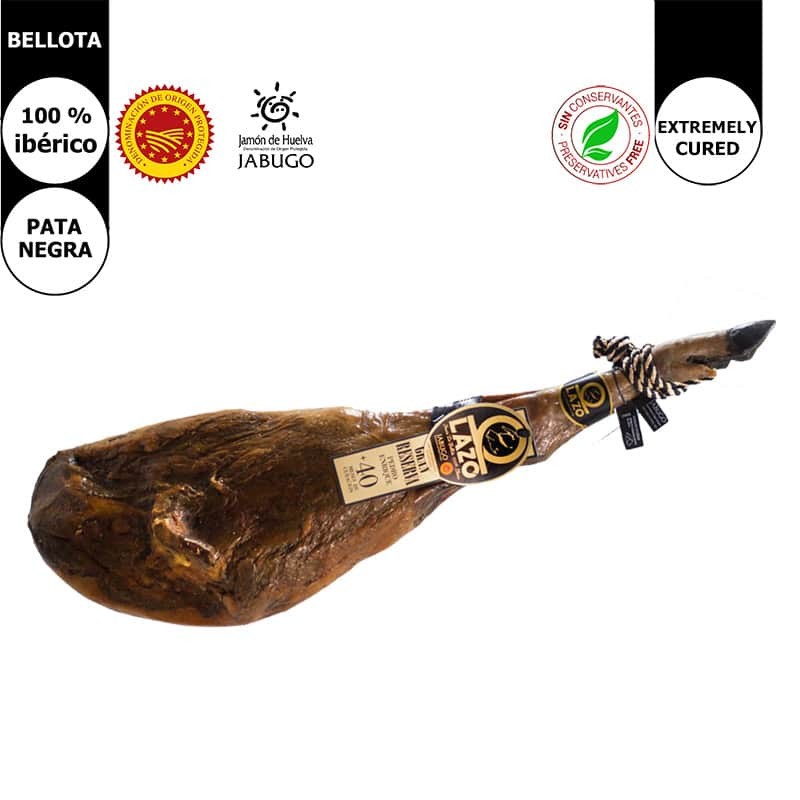
The strict rules state the 100% purebred Iberian pigs must spend their final months roaming free in oak pastures (dehesas), gorging exclusively on sweet acorns (bellotas). The natural oleic acid in the acorns infiltrates the meat fat. When cured slowly in mountain air, it yields a light, delicate texture and a slightly nutty flavor that literally melts at room temperature.
The Artisanal Cheese Landscape
Spain’s distinct geographic contrasts—from the rainy, emerald-green northern coastlines to the arid central plains—give rise to distinct cheese traditions.
|
Region
|
Cheese Designation
|
Character
|
Production Note
|
|
La Mancha
|
Manchego (D.O.P.)
|
Firm, robust, slightly sharp
|
Requires 100% Manchega sheep milk; aged from 1 month to 2 years.
|
|
Asturias
|
Cabrales (D.O.P.)
|
Creamy blue, intensely pungent
|
Hand-crafted from cow, goat, and sheep milk; aged inside natural limestone mountain caves.
|
|
Extremadura
|
Torta del Casar (D.O.P.)
|
Semi-hard crust, liquid centre
|
Made with raw sheep's milk coagulated with wild thistle; served by slicing off the top and scooping out the rich paste.
|
Essential Kitchen Staples
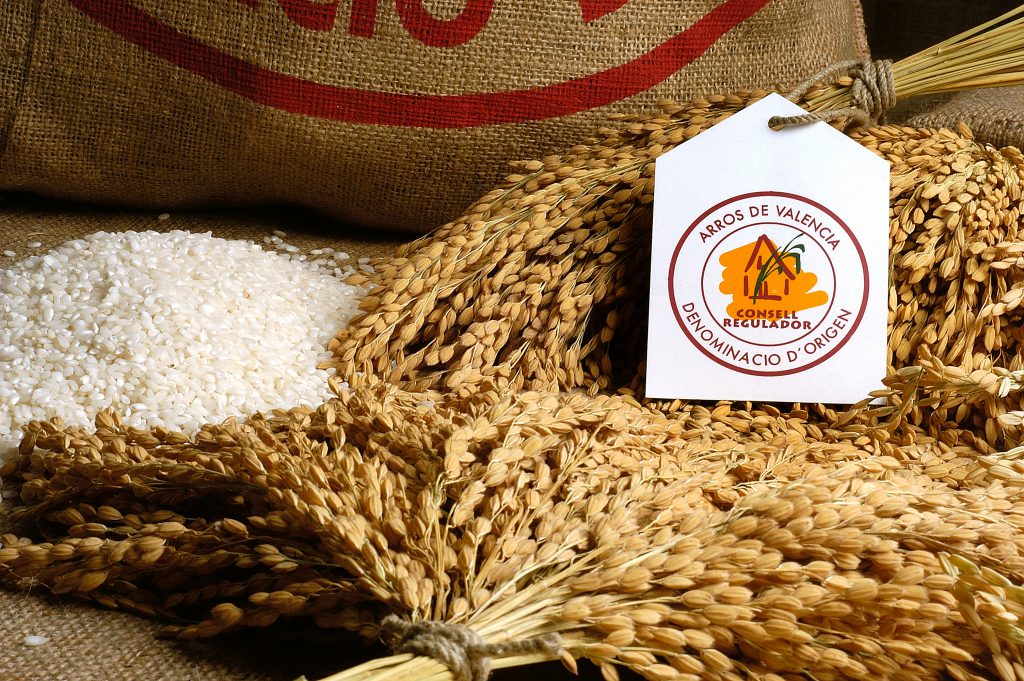
1. Valencian Rice (D.O.)
Any discussion of Spain’s national dishes inevitably leads to Valencia. While disputes rage over what ingredients belong in a true paella, chefs agree on one absolute rule: it must use Valencian Rice. Cultivated in the wetlands surrounding the Albufera natural park, the specific varieties—Bomba, Albufera, and Senia—are bred to absorb up to three times their volume in rich broth without breaking down or losing their structural bite.
2. Piquillo Peppers from Lodosa (D.O.P.)
Cultivated across eight specific regions in Navarre, the Piquillo pepper of Lodosa is affectionately dubbed the red gold of Navarre. These deep-red, sweet, and smoky peppers are meticulously hand-harvested, roasted over open flames, and peeled by hand without touching water, preserving their concentrated natural juices before being tinned.
3. Asturian Cider (D.O.P.)
In the far north, grapes give way to nearly one thousand hectares of protected apple orchards. Asturian cider is entirely natural, utilising native bittersweet apples with zero added sugar or gas. Its cultural importance is so rooted that the act of serving it—poured from arm's length above the head into a wide glass to naturally aerate the liquid—is protected as part of the nation's intangible cultural heritage.
The system of Designations of Origin is a promise to the consumer. It proves that despite the pressures of industrial, globalised farming, a community has chosen to preserve their history, their land, and their culinary integrity. Seeking out these logos on your next trip to the market isn't just about choosing high quality—it's about tasting the literal essence of a specific Spanish hillside, pasture, or valley.