While coastal hotspots from Málaga to Palma make headlines with protests over holiday rentals and rising rents, a quiet mountain village tucked into the Andalusian interior is taking a completely different approach. Faced with the relentless demographic drain that threatens over 40% of rural municipalities across la España vaciada (Empty Spain), Benarrabá—a whitewashed haven of roughly 450 souls in the Serranía de Ronda—is actively rolling out the welcome mat to international remote workers.
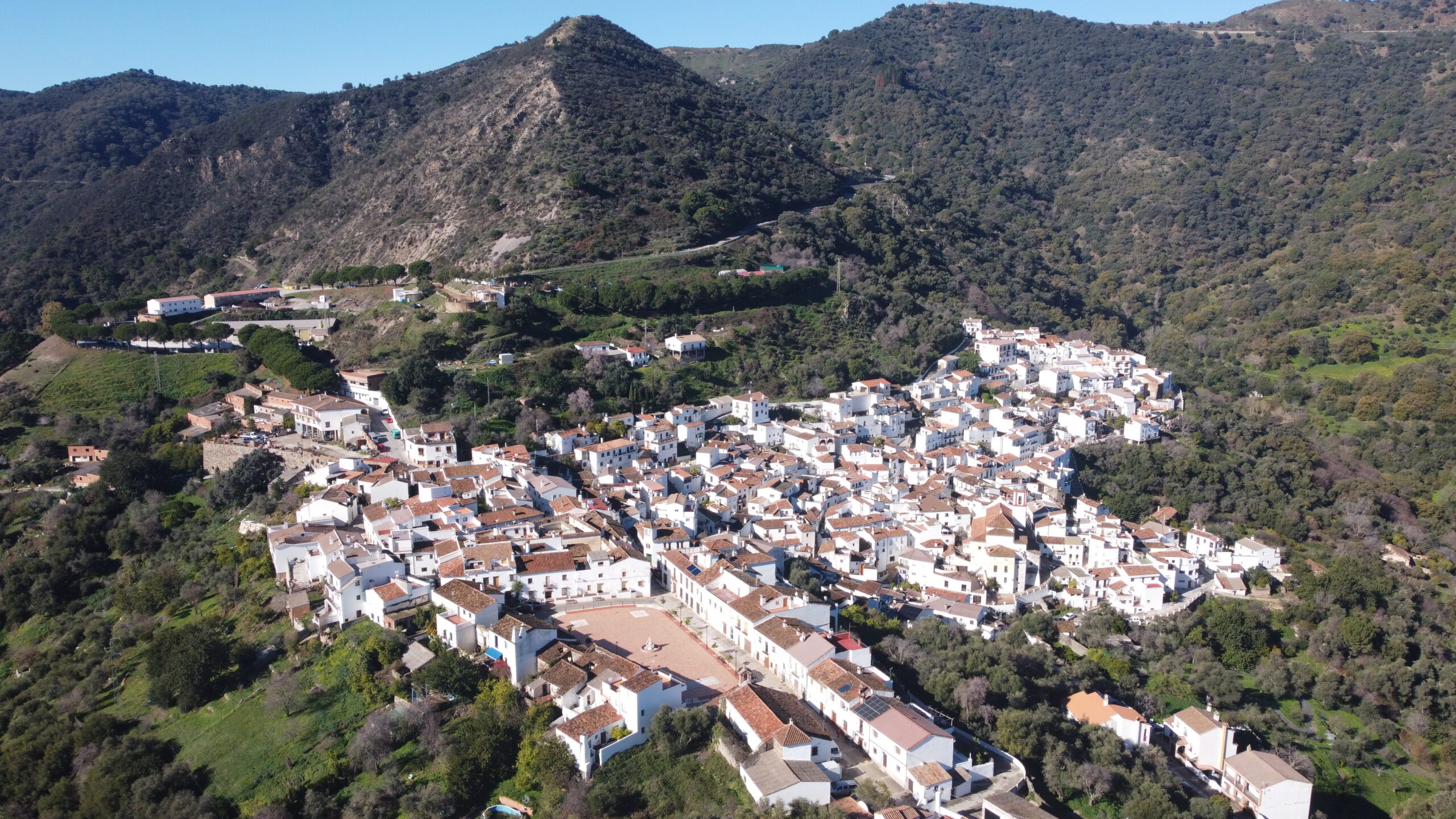
Through grassroots initiatives like Rooral and the Benarrabá WorkValley project, this sleepy enclave in the Genal Valley is proving that digital nomads and rural communities don’t just have to coexist—they might just save each other.
Moving Beyond "Laptop Wallpaper" Tourism
For years, the phrase "digital nomad" has conjured images of twenty-somethings ordering oat milk flat whites in Madrid or lounging on Costa del Sol beaches. But as major cities tighten regulations on short-term holiday lets, rural town halls (ayuntamientos) are stepping up.
In Benarrabá, the strategy avoids turning the village into a generic co-working resort. Instead, the initiative organises curated, small-group residencies (typically 6 to 12 people) lasting anywhere from two weeks to two months during the spring and autumn shoulder seasons.
Nomads don't hide away in isolated villas. They rent village houses, work out of the municipal innovation hub, shop at the local carnicería, and take part in intergenerational workshops—from oil harvesting and painting to traditional crochet with local pensioners.
EOS Insider Context: Rural flight has hollowed out the Spanish interior since the 1960s. Today, roughly half of Spain’s 8,131 municipalities have fewer than 1,000 residents. Benarrabá's model is intentional: by capping group sizes and mandating minimum stays, the village ensures newcomers become temporary neighbours rather than disruptive tourists.
The Economics: What It Costs and Where the Money Goes
Unlike mass tourism, which often enriches absentee landlords, rural remote work keeps capital directly in the village economy.
According to data from the Diputación de Málaga and project organisers, remote workers spend an average of €1,524 (approx. £1,300) per month locally. A two-week all-inclusive package—covering private village accommodation, high-speed co-working access, and cultural activities—typically starts around €890 (approx. £760).
| Factor |
Bustling Coastal Hubs (e.g. Marbella, Málaga City) |
Benarrabá & The Genal Valley |
| Typical Monthly Rent |
£1,200 – £2,000+ (€1,400 – €2,300+) |
£450 – £750 (€525 – €880) |
| Local Sentiment |
Growing tension over housing availability |
Welcoming; viewed as vital economic lifeline |
| Internet Connectivity |
Ubiquitous fibre optic |
Fibre optic & high-speed 4G/5G in village core |
| Pace of Life |
High-octane, tourist-dominated |
Slow living, community dinners, mountain trails |
| Transport Dependency |
Walkable, metro, trains, ride shares |
Car essential; winding mountain roads |
Is Village Life Right for British Remote Workers?
For British nationals holding Spain’s Digital Nomad Visa (DNV) or EU passport holders seeking an escape from the UK winter gloom, inland villages offer pristine natural surroundings, local produce, and a fraction of coastal overheads. However, ten years of living in Andalusia teaches you one golden rule: rural Spain is not a manicured theme park.
The Realities of Benarrabá Living:
Connectivity: Solid fibre in the co-working hub; occasional patchy mobile signal out on hiking tracks
Language: Basic conversational Spanish is essential to integrate at the local bar or bakery
Amenities: No 24-hour supermarkets or food-delivery apps; pharmacy and GP clinic operate set hours
Roads: Twisting mountain routes (the A-369); a 40-minute drive to Ronda and 90 minutes to Málaga Airport
The Legal & Tax Watch: If you plan to transition from a temporary nomad stint to buying a rustic village home, bear in mind that rural property purchases carry specific legal hurdles. Always verify that rustic land (suelo rústico) has regularised paperwork (such as an AFO certificate in Andalusia) and factor in regional purchase taxes (ITP), which currently sit at 7% across Andalusia.
The Ripple Effect Across the Serranía de Ronda
Benarrabá’s experiment is not happening in a vacuum. Neighbouring villages—including Genalguacil (renowned for its open-air art museum), Algatocín, and Gaucín—are watching closely. By banding together across the Genal Valley, these communities are laying down the infrastructure for a connected network of remote-work sanctuaries, proving that sustainable regeneration comes from people, not tour buses.
Over to You: Would You Swap the Coast for the Countryside?
Could you see yourself trading the seaside promenades of the Costa del Sol for the quiet cork forests of the Genal Valley? Or do the practicalities—driving mountain roads and leaving city conveniences behind—put you off making the leap inland?
Share your thoughts, experiences, or questions in the comments below!