If there is one culinary test that separates an ordinary Spanish kitchen from an exceptional one, it is the quality of its croquettes (croquetas). Whether you are grazing along a seaside promenade in Cádiz, celebrating a festive gathering with Spanish neighbours, or scouring your local neighbourhood market for dinner inspiration, a plate of piping-hot, golden croquettes is a national obsession.
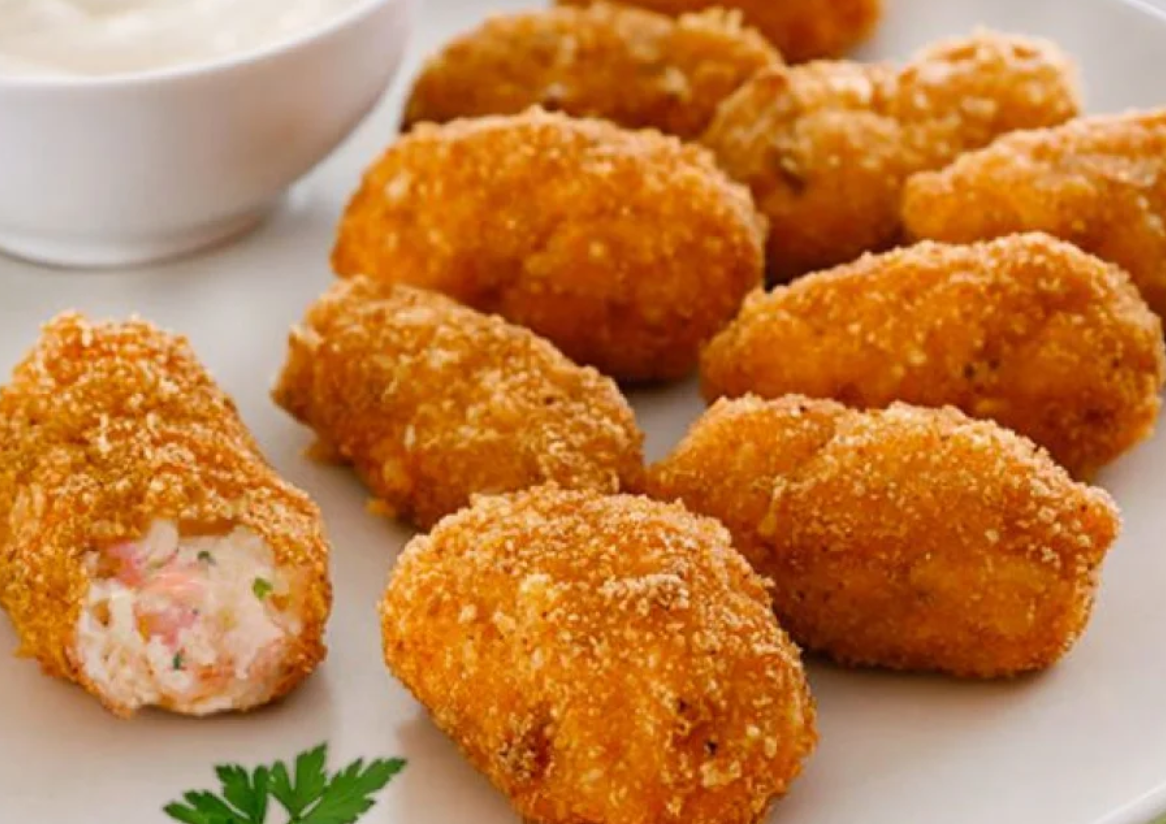
While cured ham (jamón) and shredded chicken often dominate the tavern chalkboards, croquetas de gambas (prawn croquettes) represent the ultimate luxury tier. They are sweet, deeply savoury, and packed with the intense briny sweetness of fresh shellfish. Yet amateur cooks often end up with bland, pasty rolls that lack character.
The secret to restaurant-grade prawn croquettes isn't complicated kitchen gadgetry—it boils down to two golden rules passed down through generations of Spanish home cooks: infusing the milk with the prawn shells and sticking to the golden ratio of 100 grams of flour to one litre of milk for that elusive, molten-lava centre.
The Science of the "Golden Ratio" Béchamel
Ask any British newcomer what makes up a croquette, and they will almost certainly mention mashed potatoes. But as any seasoned expat knows, authentic Spanish croquettes contain zero potato. Their silky foundation relies entirely on a rich, patient béchamel sauce.
In Spanish gastronomic circles—popularised by celebrity chef Alberto Chicote and traditional grandmothers alike—the definitive balance for a truly melt-in-the-mouth croquette is: 100g Wheat Flour + 1 Litre Infused Whole Milk = The Perfect Molten Centre. Too much flour leaves you with dense, rubbery cylinders; too little, and the croquettes disintegrate into a messy soup the moment they hit hot oil. Sticking to this balance ensures a crisp shell that yields effortlessly to an oozing, velvety filling.
The Pro-Tip: Shell-Infused "Liquid Gold"
The biggest mistake made in foreign kitchens is using bland, pre-cooked, peeled prawns and plain cold milk. When you discard the heads and shells, you are throwing away roughly 80% of the natural seafood flavour.
Cooking Pro-Tip: Always buy shell-on, head-on raw prawns (gambas enteras) from your local fishmonger (pescadería) or supermarket wet counter. By gently frying the heads and shells in olive oil, you extract their fragrant reddish oils. When you subsequently steep those shells in hot whole milk, the milk acts as a sponge, taking on a subtle blush colour and a profound seafood depth that carries straight into the béchamel.
The Shopping List & Prerequisites
You can pick up all the ingredients for a batch of 30 generous croquettes for roughly €6.00 to €8.00 (approx. £5.20–£6.90) at your local Mercadona, Consum, or town hall market.
The Filling
-
250g raw prawns in shell (gambas enteras con piel y cabeza)
-
1 litre whole milk (leche entera)
-
100g plain wheat flour (harina de trigo)
-
50g unsalted butter
-
50g extra virgin olive oil (EVOO)
-
½ medium brown onion, very finely minced
-
1 garlic clove, finely minced
-
A pinch of freshly ground nutmeg, sea salt, and black pepper to taste
The Three-Stage Coating & Frying
-
2 large eggs, beaten with a tiny pinch of salt
-
Plain flour (spread across a shallow dish)
-
Fine dry breadcrumbs (pan rallado, spread on a separate plate)
-
Sunflower or mild olive oil for deep frying
1. Extract the Shell Essence
Peel the prawns. Finely dice the raw prawn meat, pop it into a small bowl, and store it in the fridge until the very end. In a large frying pan, heat the 50g of olive oil over medium heat, add the prawn heads and shells, and fry them gently for 5 minutes, pressing down on the heads with a wooden spoon to release their rich juices.
Meanwhile, heat the litre of milk in a saucepan until it comes to a gentle simmer. Scoop the fried shells directly from the oil into the hot milk and leave them to steep over very low heat for 10 minutes. Strain the milk through a fine sieve, discarding the shells, and keep the warm, fragrant milk handy.
2. The Slow Sofrito Base
In the same frying pan—retaining the vibrant, prawn-infused olive oil—add the finely chopped onion and a pinch of salt. Cook slowly over medium-low heat for 15 to 20 minutes until meltingly soft and pale golden (do not let it burn!). Stir in the 50g of butter and the minced garlic, cooking for another minute until fragrant.
3. Cook the Roux & Build the Béchamel
Scatter the 100g of flour over the onion mixture. Cook it over medium heat for a full 8 to 10 minutes, stirring constantly with a wooden spoon or spatula. This step is critical: undercooked flour produces that unpleasant "raw dough" taste in the finished croquette.
Now switch to a balloon whisk. Slowly drizzle in the warm, prawn-infused milk in three or four gradual additions, whisking vigorously after each pour to prevent lumps. Season generously with fine sea salt, black pepper, and a grating of nutmeg. Simmer the béchamel over medium-low heat, stirring constantly, for at least 10 minutes until it thickens into a luxurious, glossy ribbon that pulls away from the edges of the pan.
4. Fold the Prawns & Chill
Fold the reserved diced prawn meat directly into the hot béchamel. Cook for just 2 minutes—the residual heat will finish cooking the delicate seafood without making it rubbery.
Pour the dough (masa) into a wide glass or ceramic dish. Press a sheet of cling film directly against the surface of the dough to prevent a tough skin from forming. Once cooled to room temperature, transfer the dish to the fridge and chill overnight (or for a minimum of 6 hours).
5. Shape, Coat, and Fry
Line up three wide bowls: one with flour, one with beaten egg, and one with breadcrumbs.
Take the cold, firm dough and shape individual portions using two soup spoons (or lightly floured hands) into traditional oval cylinders.
-
Roll each piece lightly in flour (shaking off any excess).
-
Submerge in beaten egg.
-
Roll thoroughly in breadcrumbs, pressing gently to form a complete, airtight seal around the edges
Freezer Hack: Once crumbed, place the croquettes onto a baking tray lined with greaseproof paper and freeze for 30 minutes before frying. Chilling them fully ensures the exterior seals quickly in hot oil before the creamy interior has a chance to burst open! You can also bag them and freeze them for up to three months.
Heat plenty of oil in a deep frying pan or fryer to 180°C. Fry the croquettes in small batches (no more than 4 or 5 at a time so the oil temperature doesn't drop) for 2 to 3 minutes until crisp and golden brown. Drain on kitchen paper and serve hot.