For many of us in the Eye on Spain community, the dream of exploring the Iberian Peninsula in a motorhome or campervan is the ultimate expression of Spanish freedom. Whether it’s waking up to a sunrise over the Cabo de Gata or finding a quiet spot in the Picos de Europa, "van life" has exploded in popularity since the pandemic.
However, that popularity has brought growing pains. To address rising tensions in coastal towns and urban areas, the Spanish Traffic Authority (DGT) has released Instruction PROT 2026/04, a significant update to the 2023 framework. If you own a camper or are planning a road trip this summer, here is what you need to know to avoid a heavy fine.
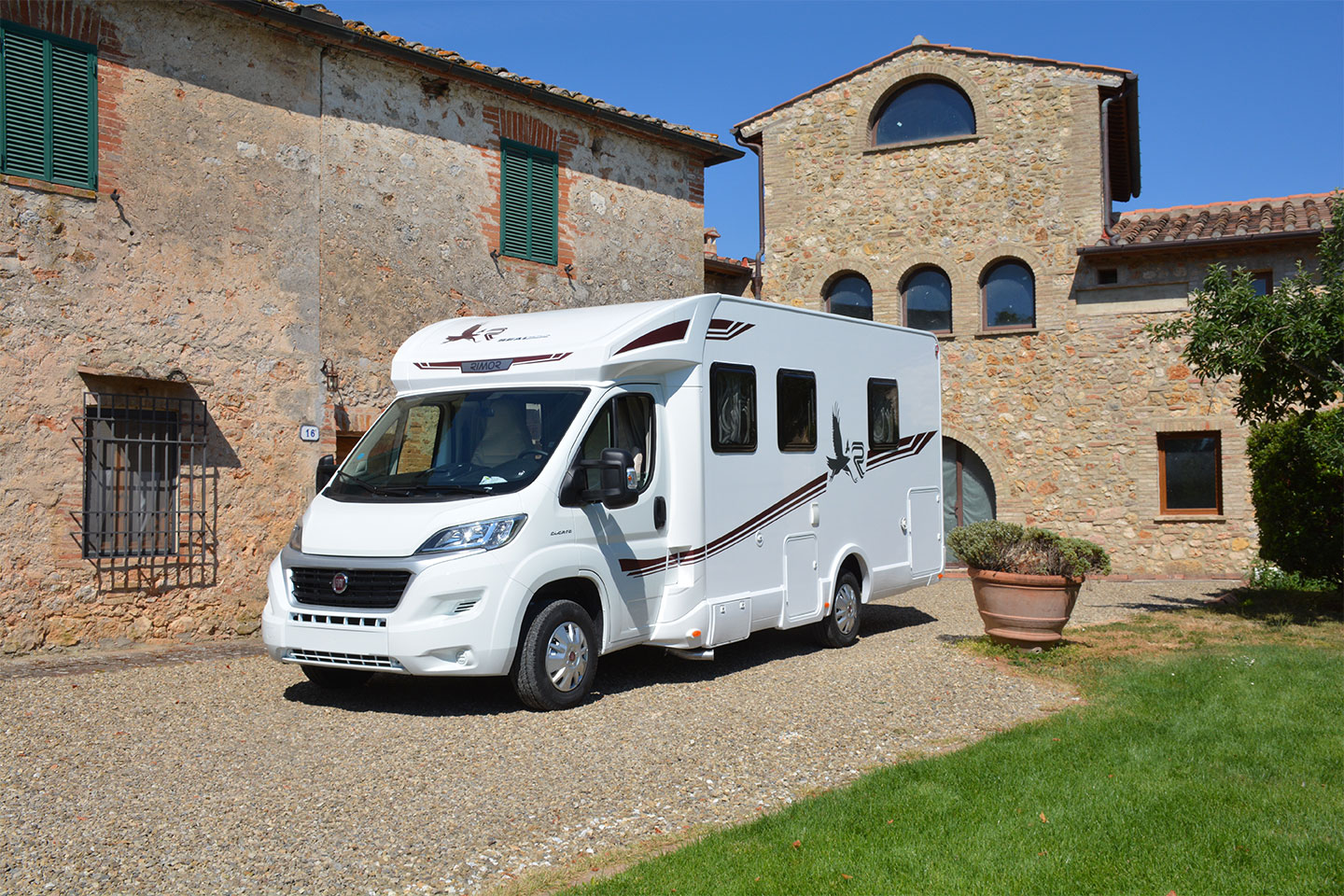
1. Parking vs. Camping: The Golden Rule
The most frequent source of fines for expats is the confusion between "parking" and "camping." The DGT has now empowered local councils with much stricter authority to enforce the distinction.
-
You are PARKING (Legal): If your vehicle is in contact with the ground only via its tyres (no stabilisers), no windows or awnings are extended, and no liquids are being discharged. In this state, you have the same rights as any car.
-
You are CAMPING (Restricted): If you put out chairs, level the vehicle with chocks, or open a side awning. This is now strictly limited to designated campsites and "Area de Autocaravanas."
Local Power: Be warned—town councils (ayuntamientos) now have the green light to ban overnight stays in specific zones, even if you are just "parking," particularly in saturated tourist hotspots. Always check for the new S-128 sign, which indicates official waste disposal and parking zones.
2. Know Your Category: M vs. N
The DGT is cracking down on ITV (technical inspection) schedules. The frequency of your inspection now depends strictly on how your vehicle is registered:
-
Category M (Motorhomes): These follow the same rules as private cars. You are exempt for the first four years, then it’s every two years, and finally annually once the vehicle hits ten years old.
-
Category N (Campervans/Adapted Vans): Because these are technically "industrial" vehicles, the rules are tougher. They require an annual inspection from day one until they are ten years old, after which they must pass the ITV every six months.
Failure to follow the correct schedule for an N-type vehicle is becoming a "low-hanging fruit" for traffic police during roadside checks.
3. The New "Eco-Enforcement"
A major driver of these new rules is environmental protection. The DGT has noted a rise in the "unregulated dumping" of grey and black water. The new legislation encourages the use of designated reception areas which provide hookups and drainage.
For the Eye on Spain community, the takeaway is clear: while the open road remains open, the "wild" element of camping is being reined in. If you’re heading out, download a reliable app like Park4Night or Caramaps, but always cross-reference it with local signage. The "I didn't know" excuse will no longer hold water—literally or figuratively.
Are you a motorhome owner in Spain? Have you noticed stricter policing in your local area? Share your experiences in the comments section.