If the phrase "Spanish Costa" conjures images of high-rise hotels, neon-lit strips, and crowded beaches, it is time to reset your expectations. Hidden in plain sight on Andalusia’s Atlantic coast lies the Costa de la Luz (Coast of Light).
Stretching 120 miles from the tip of majestic Tarifa (where you can almost touch Africa) to the Portuguese border, this region offers a version of Spain that feels almost lost to time: wild, windswept, and unapologetically authentic.
The Vibe: Wild and Untamed
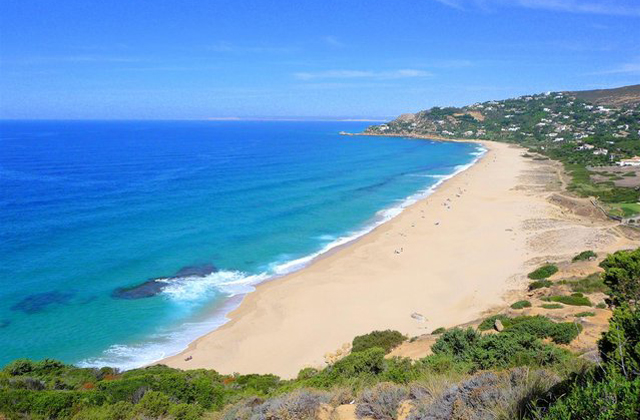
Unlike its Mediterranean cousins (the Costa del Sol or Costa Blanca), the Costa de la Luz faces the open Atlantic. The ocean currents are cooler, the winds are stronger, and the landscape is greener.
This geography has saved it from mass overdevelopment. Instead of concrete sprawls, you’ll find rolling sand dunes, pine forests, and vast stretches of golden sand. It is a favourite holiday spot for Spaniards themselves—a sure sign of quality—where "luxury" means understated heritage hotels rather than all-inclusive resorts.
The Hilltop Gem: Vejer de la Frontera
The region is dotted with pueblos blancos (white villages), but Vejer de la Frontera is the crown jewel. Perched high on a hill, its whitewashed houses glow pink and gold during the legendary sunsets that give the "Coast of Light" its name.
-
What to do: Wander the labyrinthine alleyways that reflect the town's Moorish past. Start your morning with coffee in the Plaza de España, watching the town wake up to the sound of sparrows in the orange trees.
-
The landscape: From Vejer, you can look down over the coastal plains. A short hike through the wildflower-filled La Breña y Marismas del Barbate Natural Park will take you down to the shore.
The Coast: Surf and Solitude
The beaches here are not for passive sunbed lounging; they are wild, elemental places. Near the fishing town of Conil de la Frontera, you won't find endless rows of umbrellas. Instead, you’ll see surfers scanning the Atlantic rolls and hikers exploring the dunes.
-
History in the Sand: Keep an eye out for the Tower of Castilnovo on the beach. This solitary stone structure is the last survivor of a fortress destroyed by the tsunami from the 1755 Lisbon earthquake. Today, it stands as a dramatic, "Hitchcockian" landmark occupied only by nesting crows.
The Ancient City: Cádiz
Driving north, you reach Cádiz, an ancient city tethered to the mainland by a slender bridge. Often described as looking like a "gold bar" due to the way the sun hits its stone amidst the surrounding blue water, Cádiz claims to be the oldest continuously inhabited city in Western Europe.
The city reached its peak in the 18th century through trade with the Americas. This era left a unique architectural legacy: merchant watchtowers.
-
Where to Stay: For a taste of this history, look for the Hotel Casa de las Cuatro Torres. Built for a merchant in the 1700s, it retains its original watchtowers (once used to spot incoming ships) and features extravagantly high ceilings with exposed timber from old shipwrecks.
Why Go Now?
The Costa de la Luz offers a rare combination in modern European travel: accessibility and authenticity. It is a place where the "nightlife" is a long dinner in a town square rather than a club, and the "attractions" are the light, the wind, and the history beneath your feet.