Walk into any traditional tavern from Madrid to Malaga, look at the chalkboard menu, and you are guaranteed to find one word written at the top of the tapas list: Croquetas.
While often translated simply as "croquettes," these crispy, golden cylinders are a world away from the heavy, potato-filled versions found in Northern Europe. In Spain, a true croqueta is a masterpiece of balance—shattering with an audible crunch when bitten into, only to release a velvety, rich, and almost liquid centre.
Based on traditional culinary techniques, making them is a rite of passage for local home cooks. Here is why this humble bite rules the nation’s food culture, alongside the classic flavour combinations you need to look out for.
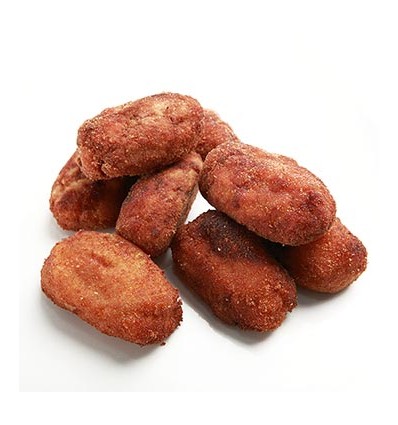
The Golden Rule: It's All About the Béchamel
The biggest secret to a genuine Spanish croqueta is that it contains absolutely no potato.
Instead, the structure relies entirely on a meticulously crafted béchamel sauce. The process requires patience: flour is cooked in fat (usually a mix of butter, olive oil, and the fat rendered from the fillings) to create a roux, before warm milk is slowly whisked in over a low flame.
The sauce is simmered until it is incredibly smooth and glossy. The mixture is then chilled overnight until it firms up enough to be shaped by hand, rolled in fine breadcrumbs, and flash-fried in piping hot olive oil.
The Big Three: Spain’s Favourite Varieties
While modern chefs occasionally experiment with innovative fillings, the heart of the Spanish kitchen belongs to three traditional varieties:
1. Croquetas de Jamón (Cured Ham)
The undisputed heavyweight champion of the tapas world. This variety utilises the offcuts and intense, salty trimmings of Jamón Ibérico. The ham is finely minced and folded into the béchamel toward the end of cooking, allowing the natural oleic acid and fat of the ham to melt directly into the sauce, infusing every bite with a deep, savoury richness.
2. Croquetas de Pollo (Chicken)
Historically, croquetas were born out of a necessity to waste nothing. The chicken variety is the ultimate expression of this zero-waste philosophy, traditionally made using the leftover shredded meat from a Cocido Madrileño (a rich, slow-cooked chickpea and meat stew). The long-simmered chicken adds a comforting, deeply aromatic depth to the creamy filling.
3. Croquetas de Bacalao (Salt Cod)
A massive favourite along the Atlantic coastlines of Galicia and the Basque Country. Salt cod is rehydrated, flaked into delicate ribbons, and balanced with plenty of fresh garlic and parsley within the béchamel. The bracing, clean salinity of the fish cuts through the richness of the dairy perfectly.
How to Spot a Masterpiece
Because they are so ubiquitous, quality can vary wildly. If you are hunting for the perfect plate of croquetas on your next outing, look for these three hallmarks of artisanal preparation:
-
The Shape: Avoid perfectly uniform, identical cylinders. Real, hand-rolled croquetas will always have slight variations in size and shape—a clear sign they were shaped using two spoons in a traditional kitchen rather than extruded from a factory machine.
-
The Shell: The exterior should be an even, pale-golden brown, bone-dry to the touch, and completely free of excess pooling oil.
-
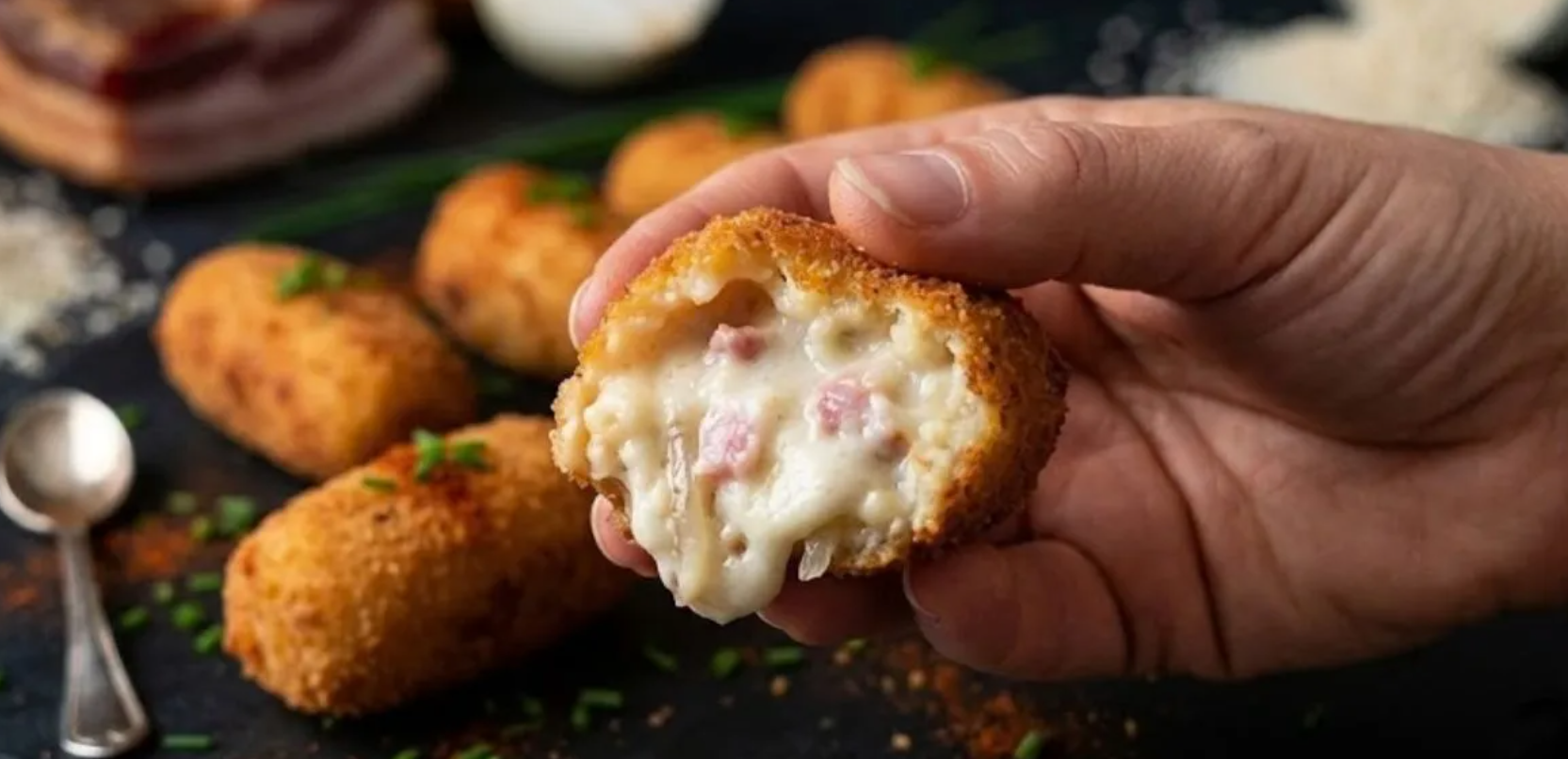
The Texture: When broken in half, the filling should slowly ooze across the plate like thick volcanic lava. If the interior stands up firm and stiff like block cheese, it has been overloaded with flour and lacks the necessary cooking time.
Ultimately, the croqueta is the ultimate comfort food. It bridges the gap between high gastronomy and grandmothers’ kitchens, proving that with a little time, basic ingredients like milk, flour, and leftovers can be transformed into the most sought-after bite in the country.
What is your absolute favourite croqueta filling when you visit your local tapas bar? Have you ever braved making the overnight béchamel at home?