When visitors and new expats arrive in Madrid for the first time, they are often struck by a geographical quirk. Unlike London, Paris, or Rome—cities built on ancient navigable rivers or historic trade ports—Madrid sits awkwardly on a dry, windswept plateau right in the geographic centre of the Iberian Peninsula. It has no natural sea access, no major river for shipping, and summers that bake under punishing Castilian suns.
So how did a dusty medieval fortress town become the political and beating heart of Spain? The answer involves a 16th-century monarch, family medical drama, and a clever chess move to checkmate the nobility.
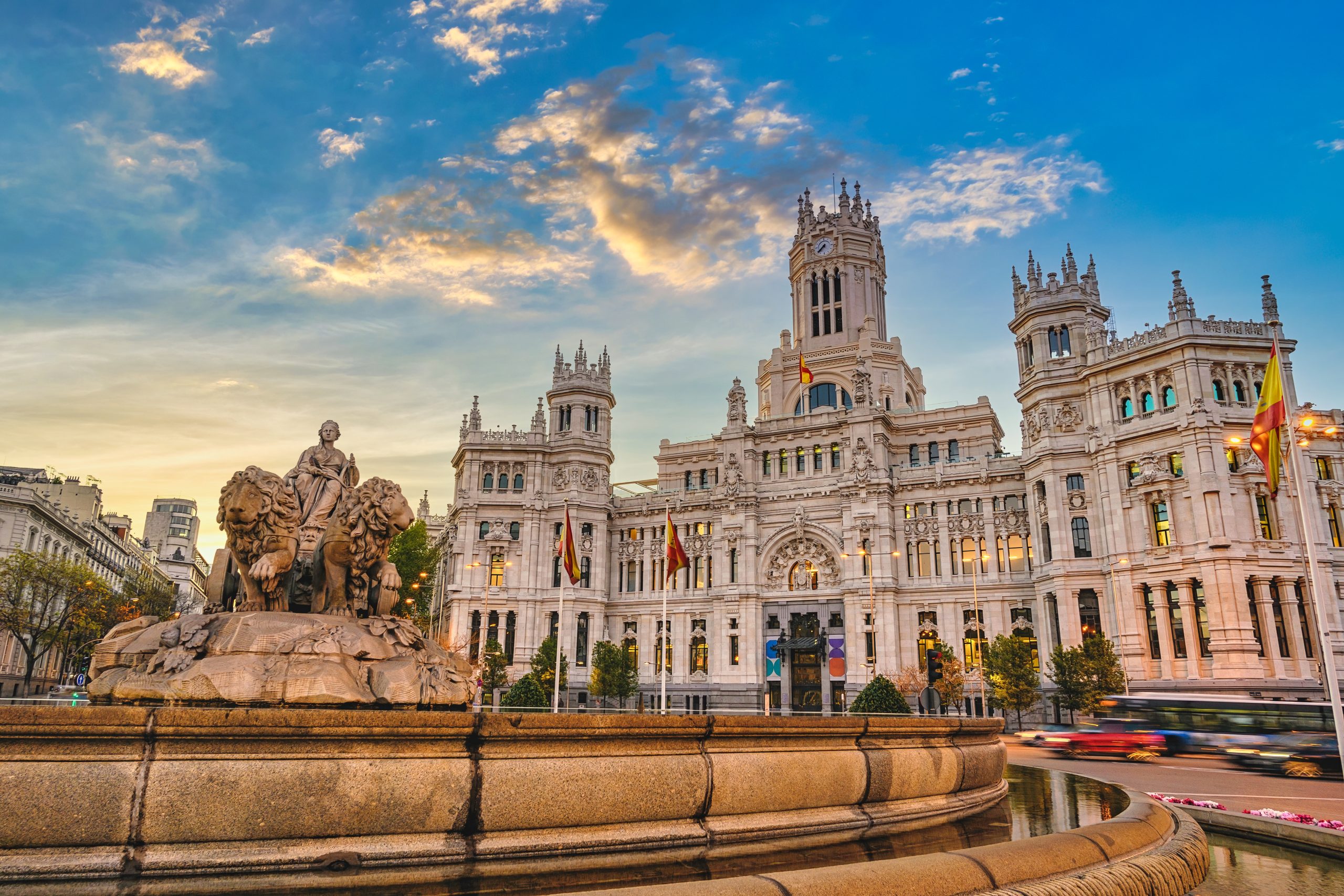
The Nomadic Kings of Old Spain
For centuries, medieval Spain didn't have a single fixed capital. Because the Christian kingdoms expanded slowly southward during the Reconquista, the royal court was effectively nomadic. Kings and their cabinets packed up their entire administrative apparatus into carts and travelled from city to city.
Depending on the year, the political centre of gravity shifted between Toledo, Burgos, Valladolid, Seville, and Segovia. Each city held historical weight, but none offered a permanent, neutral administrative home base for a unified Spanish empire.
Enter Philip II: The King Who Planted His Flag
The pivotal shift occurred in 1561, during the reign of King Philip II (Felipe II). Young, meticulous, and obsessed with centralising his vast global empire, Philip needed a capital that answered only to the crown—free from the political meddling of powerful regional bishops and independent-minded nobles.
He cast his eyes on Madrid, a modest walled town that had previously served as a quiet Moorish outpost (Mayrit) before being captured by Christian forces.
While royal historians point to Madrid's ideal central location on the Iberian map as the primary strategic driver, local folklore adds a more human twist. Rumour has it that Philip II’s third wife, Elisabeth of Valois, suffered severely from chronic respiratory ailments aggravated by the damp, humid river air of Valladolid and Toledo. Seeking a dry, high-altitude climate to cure her cough, the royal physicians recommended the crisp, clean mountain air of Madrid's plateau. Whether pure myth or happy coincidence, the move cured the queen and cemented Madrid's destiny.
The Ultimate Power Play Against Toledo
Moving the court to Madrid was also a brilliant tactical checkmate against the Church and the nobility.
At the time, Toledo was the ecclesiastical and spiritual capital of Spain, ruled by an immensely powerful Archbishop who wielded as much political influence as the King himself. By uprooting the royal administration and moving it 70 kilometres north to a sleepy, politically unaligned town, Philip II stripped the traditional elites of their daily leverage and established absolute royal control.
Within decades, the sleepy fortress exploded into a bustling imperial hub, sparking a golden age of architecture, literature, and art.
Madrid vs. Other Spanish Powerhouses: A Quick Comparison
If you look at Spain's economic and cultural giants today, it is fascinating to see how they stack up against the capital chosen by royal decree over 400 years ago:
| City |
Historical Status |
Current Expat / Economic Profile |
| Madrid |
Crowned capital by Philip II in 1561. |
The political, financial, and cultural powerhouse; landlocked corporate hub. |
| Toledo |
Former Visigothic and imperial capital; seat of the Church. |
A breathtaking open-air museum and tourist favourite; preserved in time. |
| Seville |
The gateway to the Americas during the colonial gold rush. |
Andalusia’s vibrant cultural capital; tourism, agriculture, and festivals. |
| Barcelona |
The medieval commercial heavyweight of the Crown of Aragon. |
The Mediterranean maritime capital; tech, design, and expat startup hub. |
Next time you are strolling through the historic Madrid de los Austrias or enjoying a coffee near the Royal Palace, remember that the city beneath your feet was essentially an administrative construction. Unlike coastal trading ports that grew organically through commerce, Madrid exists purely because a Renaissance monarch looked at a map, drew a circle right in the dead centre of Spain, and said, "Here."
Spain’s regional identities are fiercely proud, and many Spaniards will argue that their home city should have been named the capital instead!